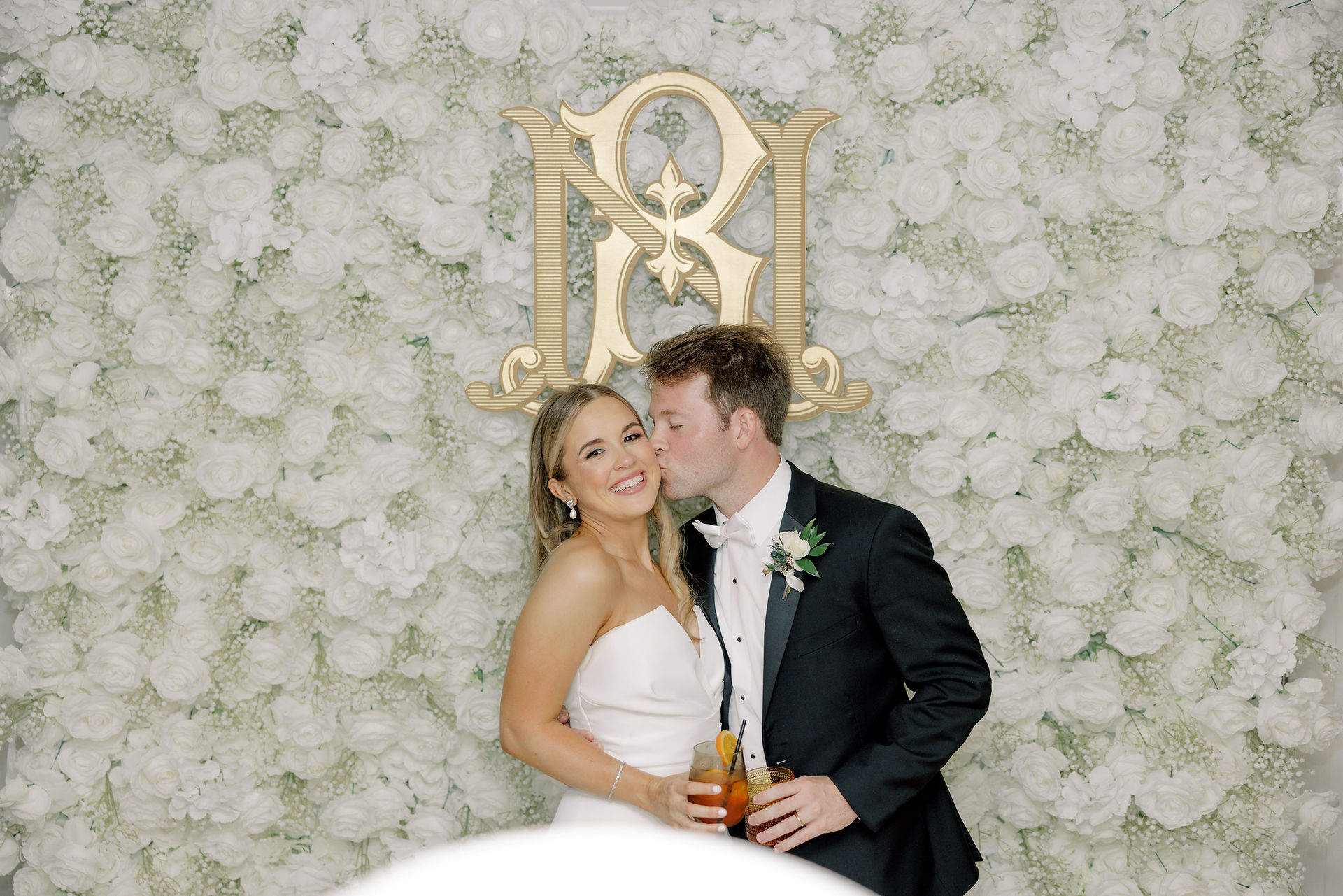
How to Choose the Perfect Floral Arrangements for Your Wedding
- Kristy Ripmaster
- Sep 15, 2025
- 3 min read

Choosing the perfect wedding flowers can feel overwhelming. There are so many options, styles, and colors to consider. But with the right approach, you can find floral arrangements that beautifully complement your wedding theme and personal style. This guide will walk you through practical steps to select wedding flowers that make your day unforgettable.
Understanding Your Wedding Flowers Style and Theme
Before diving into flower types and arrangements, it’s important to define your wedding style and theme. Your flowers should enhance the overall atmosphere and feel of your celebration.
Classic and Elegant: Think roses, peonies, and lilies in soft whites, blush, and pastels.
Rustic and Bohemian: Wildflowers, sunflowers, and greenery with loose, natural arrangements.
Modern and Minimalist: Simple, structured bouquets with monochromatic color schemes.
Tropical or Destination: Bright, exotic flowers like orchids, birds of paradise, and anthuriums.
Knowing your theme helps narrow down flower choices and arrangement styles. For example, a rustic barn wedding pairs beautifully with mason jars filled with daisies and lavender, while a black-tie event calls for sophisticated roses and calla lilies.

Selecting Wedding Flowers Based on Season and Budget
Seasonality plays a big role in flower availability and cost. Choosing flowers that are in season locally can save money and ensure freshness.
Spring: Tulips, daffodils, lilacs, peonies
Summer: Sunflowers, dahlias, roses, hydrangeas
Fall: Chrysanthemums, marigolds, asters, berries
Winter: Amaryllis, pinecones, holly, camellias
If you want a specific flower that’s out of season, be prepared for higher costs or consider alternatives that look similar. Discuss your budget openly with your florist to find the best options.
To get started on your floral planning, consider filling out a wedding floral design questionnaire. This helps florists understand your preferences and budget clearly.

Choosing the Right Flowers for Your Wedding Flowers Color Palette
Color is one of the most impactful elements of your wedding flowers. Your bouquet and arrangements should complement your wedding colors and venue.
Monochromatic: Different shades of the same color create a sophisticated look.
Complementary Colors: Colors opposite each other on the color wheel, like purple and yellow, create vibrant contrast.
Analogous Colors: Colors next to each other on the wheel, such as pink, red, and orange, offer harmony.
Neutral Palette: Whites, creams, and greens provide timeless elegance.
Consider the venue’s colors and lighting. For example, bright colors pop beautifully in outdoor settings, while soft pastels work well indoors with natural light.
Matching Wedding Flowers to Your Dress and Attire
Your wedding flowers should enhance your dress and overall look. Here are some tips:
Dress Style: A simple dress pairs well with a bold bouquet, while an ornate dress looks best with understated flowers.
Dress Color: White and ivory dresses work with almost any flower color. Colored dresses may require more careful coordination.
Bouquet Size: Petite bouquets suit slim or short dresses, while large bouquets complement fuller gowns.
Try holding sample bouquets while wearing your dress to see how they look together. This helps avoid surprises on the big day.

Practical Tips for Working with Your Florist
Your florist is your best partner in creating the perfect floral arrangements. Here’s how to make the most of your collaboration:
Share Inspiration: Bring photos, Pinterest boards, or mood boards to communicate your vision.
Discuss Logistics: Venue restrictions, delivery times, and setup details matter.
Ask Questions: Inquire about flower care, alternatives, and seasonal options.
Confirm Details: Get a written agreement on flower types, quantities, and costs.
Stay Flexible: Sometimes flowers may need to be substituted due to availability.
Remember, a professional florist can guide you through the process and help you avoid common pitfalls.
Final Thoughts on Choosing Your Wedding Flowers
Selecting wedding flowers is a joyful part of planning your celebration. By considering your style, season, color palette, and dress, you can create floral arrangements that enhance your wedding’s beauty. Don’t hesitate to use resources like the wedding floral design questionnaire to communicate your needs clearly. With thoughtful planning and expert help, your wedding flowers will be a stunning highlight of your special day.


Comments